We are Companhia Brasileira de Metalurgia e Mineração (CBMM), a global leader in niobium products and technology. Since our founding in 1955 in Araxá (state of Minas Gerais), we have been providing technology and sharing our expertise with more than 500 customers in 50 countries, by transforming materials into smarter solutions capable of building a more sustainable and efficient future for everyone.





between CBMM and the Minas Gerais Economic Development Company (Codemig), a successful partnership since 1972, which can be renewed for
implemented, promoting ESG practices in the supply chain.
of ferroniobium equivalent produced, 4.7% more than the previous year.

We have made headway in the use of artificial intelligence (machine learning), which combines industrial data with physical-metallurgical knowledge. This underscores our commitment to technological development and sustainability, and evidences how digital innovation optimizes processes and uplifts industrial performance, increasing competitiveness in the steel industry.

set in 2025 aiming at
compared to the base year.

from landfill material, fostering economic efficiency and the circular economy.



invested in more than 90 social initiatives.

accounting for 70% of total funds.

Launch of the
benefiting over 1,000 people from eight institutions in Araxá and São Paulo, with 1,197 hours of volunteer service.
between CBMM and the Minas Gerais Economic Development Company (Codemig), a successful partnership since 1972, which can be renewed for
implemented, promoting ESG practices in the supply chain.
of ferroniobium equivalent produced.
than the previous year.
We have made headway in the use of artificial intelligence (machine learning), which combines industrial data with physical-metallurgical knowledge. This underscores our commitment to technological development and sustainability, and evidences how digital innovation optimizes processes and uplifts industrial performance, increasing competitiveness in the steel industry.
set in 2025 aiming at
compared to the base year.
accounting for 70% of total funds.
from landfill material, fostering economic efficiency and the circular economy.
invested in more than 90 social initiatives.
Launch of the
benefiting over 1,000 people from eight institutions in Araxá and São Paulo, with 1,197 hours of volunteer service.



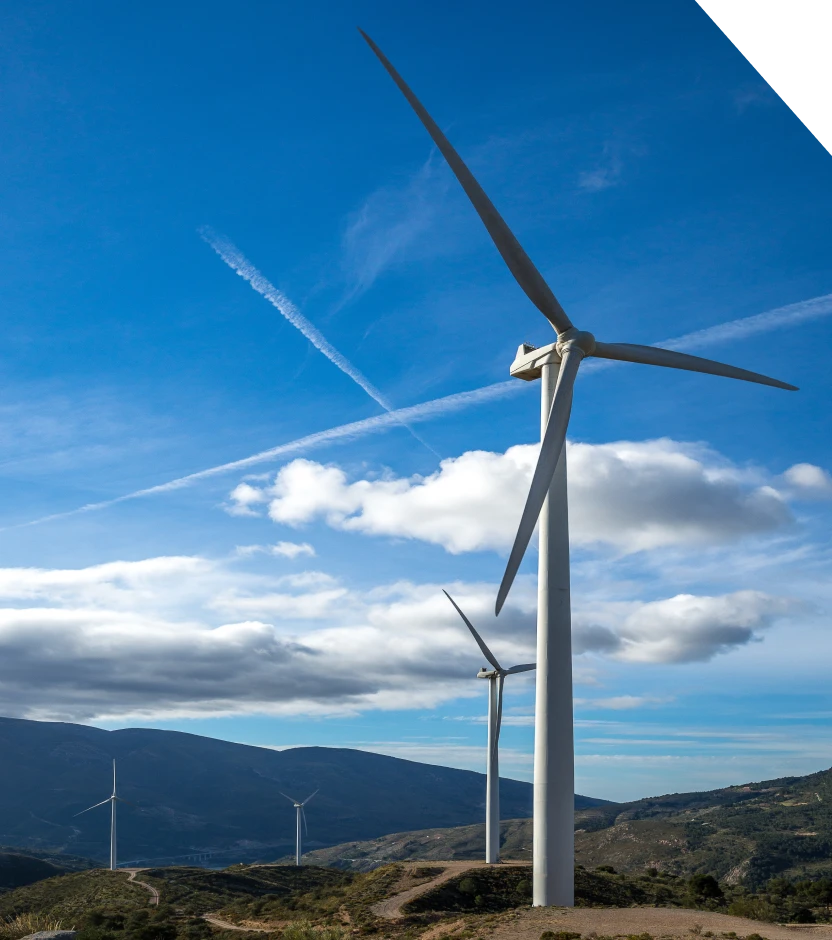
In 2022, we set a decarbonization target to be achieved by 2040. Our commitment to reducing greenhouse gas (GHG) emissions is reflected both in how we operate and in our product portfolio and its environmental benefits on a global scale. We have announced an interim target to reduce the GHG emissions intensity for Scopes 1 and 2 by 30% by 2030, from 0.62 tCO₂/t of niobium product (2022 base year) to 0.43 tCO₂/t.


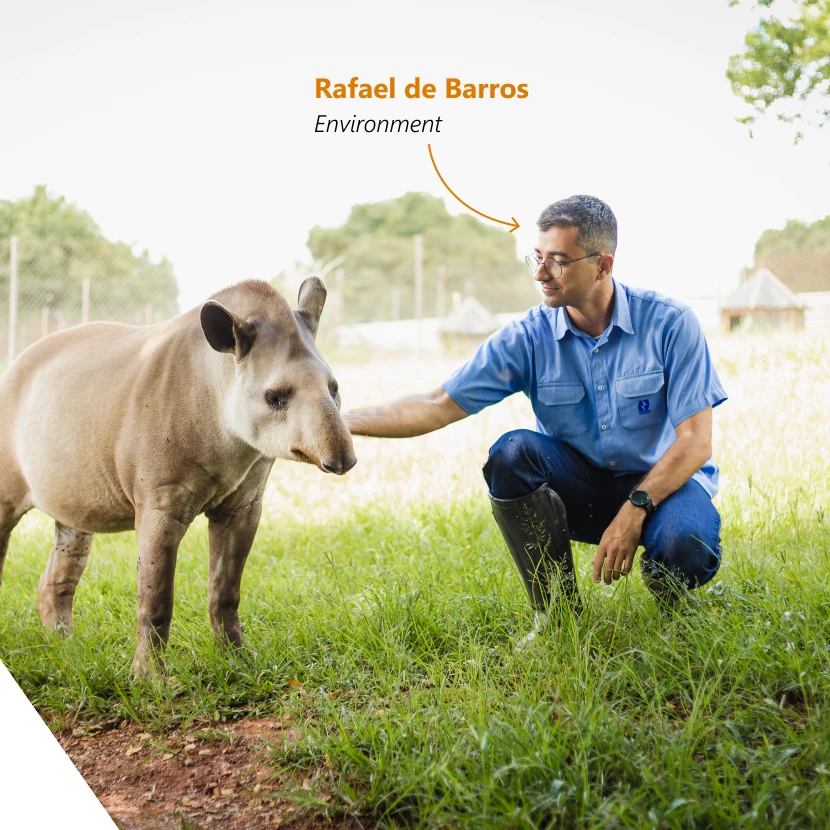
With over 40 years of conservation history, the Environmental Development Center (CDA), located within our industrial complex and in the surrounding preservation areas, reflects our commitment to sustainability.

The center shelters 94 animals of 13 species, providing rehabilitation for the animals as well as preserving their genetic and biological data.

The nursery produced more than 618,000 native seedlings of 145 different species in 2025, intended for compensatory programs, industrial landscaping, and the restoration of degraded areas.

In 2025, we welcomed 1,550 students and 155 teachers from the Araxá school system to the CDA.
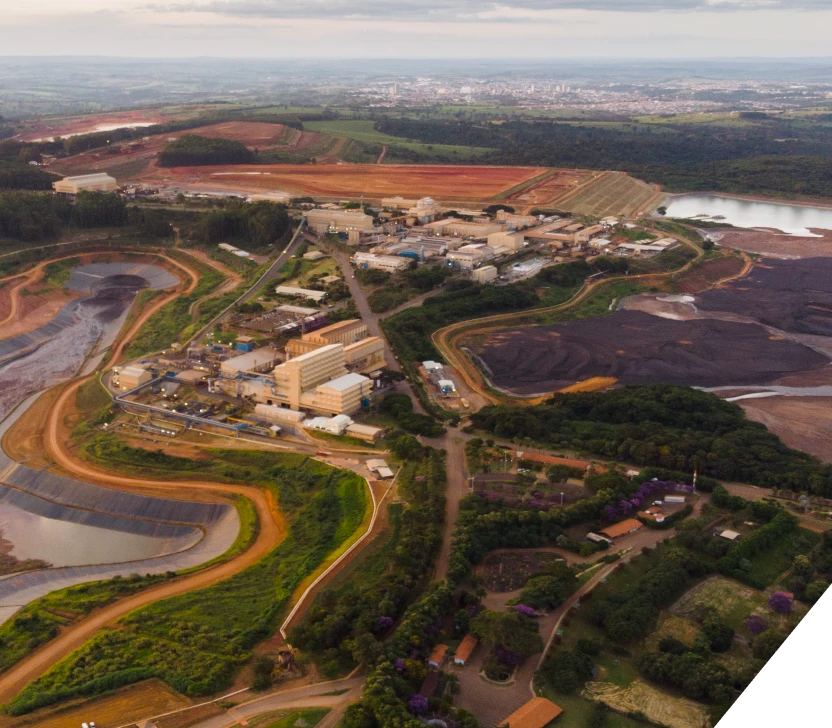
Our dam management is characterized by high safety standards, which have made CBMM a benchmark in this field in Brazil. Our model includes ongoing monitoring, 24 hours a day, 7 days a week, through our Integrated Monitoring Center (CMI). All tailings storage facilities have Emergency Action Plans (PAE), and we are constantly refining our processes with a short-, medium-, and long-term vision.
We have teams researching new technologies to reduce industrial waste generation, maximize the use of natural resources, and make water consumption and tailings disposal increasingly sustainable and efficient.


At CBMM, our growth over the past 70 years has been built on close relationships with employees and communities, especially in Araxá. We believe that the Company’s development is directly linked to the empowerment and development of people.
In 2025, we have made headway in leadership development, reviewing management practices, and improving processes, supported by new technologies and active listening to employees. We also reinforced in-house communication and integration among teams, bolstering the effectiveness of people management, including contractors. By incorporating human development into our strategies, we enhance our commitment to creating shared value and building a more sustainable society.
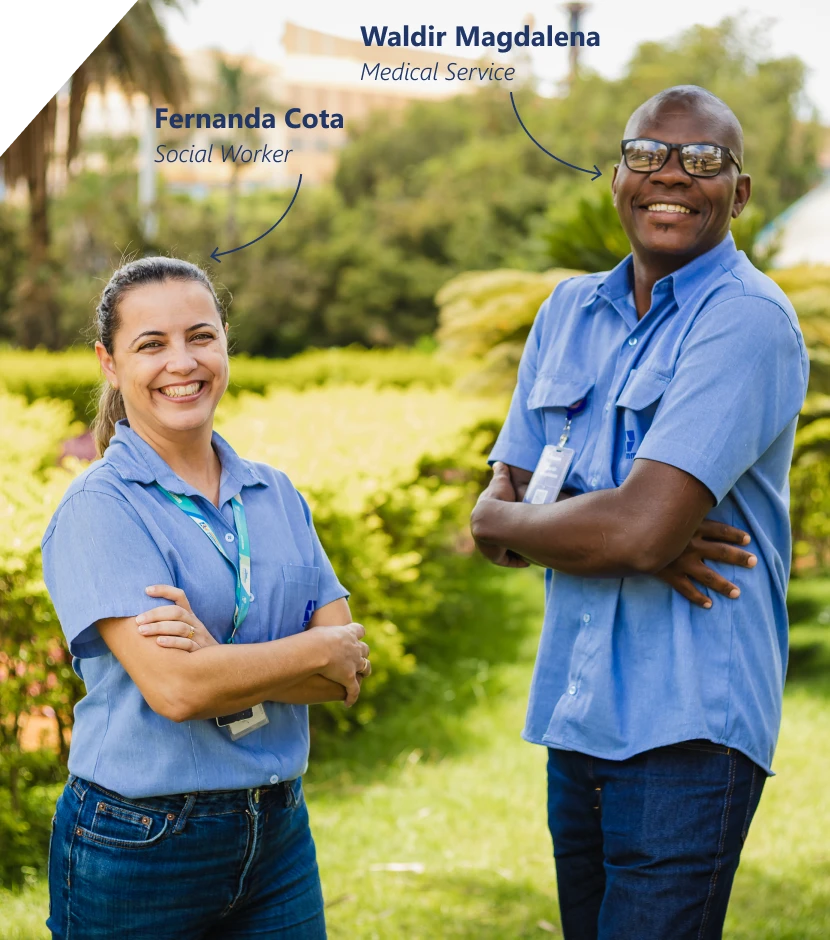





Occupational health and safety of our employees are non-negotiable values at CBMM. Our Occupational Health and Safety management system, certified by ISO 45001, is aligned with industry best practices and regulatory standards, reflecting our commitment to excellence.
The Valor Segurança (Safety Value) Program reinforces this approach, fostering a culture of prevention and ongoing improvement. Through structured processes, investments in technology, and specialized training, we seek not only to meet legal requirements but to exceed standards, promoting a safe, healthy, and productive environment.
Throughout the year, we have advanced initiatives focused on modernization, bolstering communication, and broadening care for our people, including initiatives to support mental health and well-being.

We focus most of our community initiatives in Araxá; we are mindful of our social responsibility and economic importance in the region. Our investments are guided by CBMM’s Private Social Investment Policy.
in social initiatives for local development.
in education, sports, culture, health, and entrepreneurship.
Our main focus is on working with children and adolescents, who are also the target group for our environmental education initiatives.

Reference period: January 1 to December 31, 2024
Reference period: January 1 to December 31, 2023
Reference period: January 1 to December 31, 2022
Reference period: January 1 to December 31, 2021
Reference period: January 1 to December 31, 2020
Reference period: January 1 to December 31, 2019
Reference period: January 1 to December 31, 2018